

Whether you’re running the Mohawk Valley Gateway Overlook, swinging a club at Amsterdam Municipal Golf Course, or cheering the Amsterdam Rams, sports are a way of life in Amsterdam, NY. However, alongside the many physical and social benefits of staying active, back injuries are a common and sometimes serious consequence of sports participation—especially for youth, weekend warriors, and recreational athletes.
As a chiropractor in Amsterdam, NY, I see firsthand how back injuries can disrupt not just athletic performance, but also daily routines and overall well-being. The good news is that many sports-related back injuries are preventable with the right strategies. If you or your loved ones are keen to enjoy sports safely, here are expert tips tailored for the Amsterdam community.
Understand the Risk Factors for Sports-Related Back Injuries
Certain activities and conditions can increase the risk of back injuries, including:
- Sudden increases in activity or intensity (common with seasonal sports)
- Poor conditioning or inadequate warm-up
- Improper technique in sports like baseball, football, or golf
- Previous back injuries or underlying spinal issues
- Crowded or uneven sporting surfaces, which can be found in older gyms or outdoor fields
In Amsterdam, NY, outdoor sports are popular from spring through fall, while indoor basketball and ice hockey leagues kick up in winter. Each sport has its own risks, so awareness is essential for prevention.
Warm Up Thoroughly Before Every Activity
A proper warm-up is non-negotiable for protecting your back. Before joining a pickup game at Veteran’s Park or a run along the Erie Canalway Trail, spend at least 5-10 minutes on dynamic warm-ups such as:
- Gentle jogging or brisk walking
- Arm circles and trunk rotations
- Leg swings and lunges
- Light stretches focusing on the hamstrings, hip flexors, and lower back
Warming up prepares muscles and ligaments for activity, improves flexibility, and reduces the risk of strains and sprains.
Focus on Core Strength
Your core muscles—including the abdominals, back extensors, and pelvic stabilizers—act as a natural brace for your spine. Strong, balanced core muscles absorb shock, stabilize the torso, and protect your back during sports movements like jumping, twisting, or sudden stops.
Local athletes can benefit from simple, effective core exercises such as:
- Planks (front and side)
- Bridges
- Bird-dogs
- Dead bugs
Incorporate core work into your fitness routine two to three times per week, whether at home, in the gym, or during youth practices at Lynch Literacy Academy.
Use Proper Technique and Equipment
Technique matters, regardless of your experience level or sport. Incorrect bending, twisting, or lifting are leading causes of back injuries in sports. For Amsterdam residents who ski, golf, or play baseball:
- Learn correct body mechanics from a coach or experienced player
- Use equipment that fits you properly (like the right-size bat, club, or protective gear)
- Replace worn-out shoes to maintain optimal support and minimize uneven ground impact
Never hesitate to ask for feedback on your form—even small adjustments can make a big difference.
Listen to Your Body and Don’t Play Through Pain
Amsterdam’s competitive spirit motivates many to “play through” discomfort, but ignoring early warning signs of back pain can turn a minor problem into a serious injury. If you notice:
- Sharp, persistent, or radiating pain in the back or legs
- Tingling or numbness
- Stiffness or limited mobility
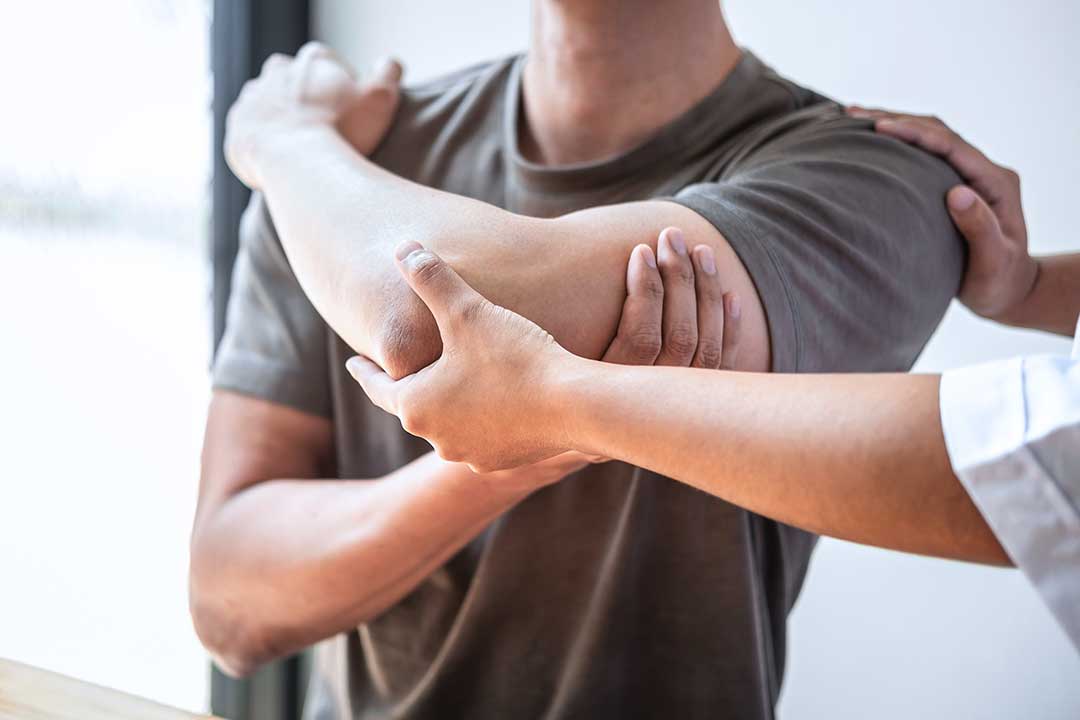
Stop playing and seek advice from a sports medicine professional or chiropractor. Early evaluation often means a faster, safer return to sports.
Prioritize Recovery and Rest
Athletes often overlook the importance of recovery, particularly during busy local tournament weekends or summer leagues. To support your back’s health:
- Build rest days into your weekly routine
- Use ice or heat therapy for sore muscles
- Try gentle stretching or yoga after intense activities
- Get adequate sleep, aiming for 7-9 hours nightly
Many chronic back issues start as minor muscle strains that never fully heal—so respect your body’s need for downtime.
Stay Hydrated and Eat Well
Dehydration and poor nutrition increase the risk of muscle cramps, spasms, and injuries. Kids and adults alike should:
- Drink plenty of water before, during, and after sports
- Choose meals rich in lean protein, whole grains, fruits, and vegetables
- Limit processed foods, which can increase inflammation
In Amsterdam, NY, take advantage of the local farmers market for fresh, nutritious options to fuel your active lifestyle.
Tailor Prevention Strategies to Different Ages
Back injury risks and prevention strategies differ for youth athletes, adults, and seniors. Parents should ensure children have age-appropriate training, regular health check-ups, and are encouraged to communicate about any discomfort. Adults should pay attention to pre-existing conditions and avoid overexerting themselves in recreational leagues. Seniors can benefit from supervised strength training and low-impact activities such as swimming or cycling.
Engage With Your Local Sports Health Community
Amsterdam offers a range of resources for keeping athletes healthy—from local physical therapy clinics to chiropractic care and fitness instructors. Don’t hesitate to reach out for guidance, whether you’re prepping for a big event or recovering from a strain. Community wellness programs, like classes at the local YMCA or hospital workshops, offer education and injury prevention tips tailored to our unique local lifestyle.
Final Thoughts: Make Prevention Part of Your Game Plan
Staying active is central to life in Amsterdam, NY. With the right approach to training, recovery, and self-care, you can enjoy your sport of choice without risking the health of your back. Remember, prevention is far easier and more effective than managing a serious injury after the fact. Listen to your body, invest in proper preparation, and seek local expert advice whenever in doubt. Here’s to an active, injury-free season!
