
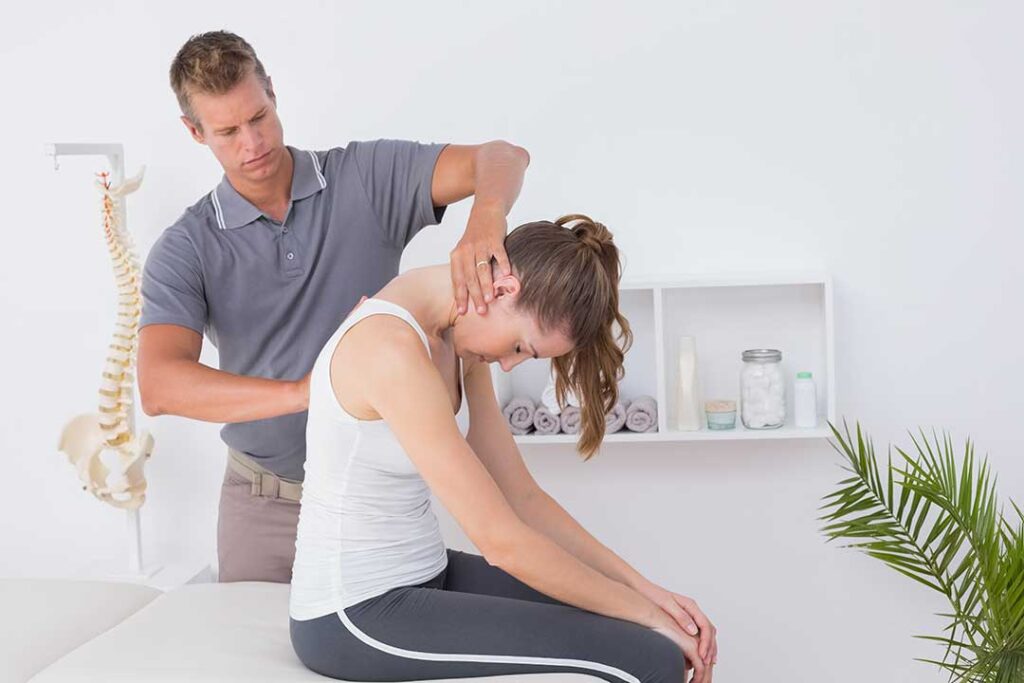
Why Do People Experience Clicking in Their Necks?
Clicking or popping sounds in the neck can be surprising, sometimes worrying—especially when there is no pain or visible injury. For many Amsterdam, NY residents, this sensation happens suddenly while moving the head, looking over the shoulder, or after waking up. In most cases, these sounds are not a sign of a serious issue, but understanding common causes can help ease concerns.
What’s Actually Making the Sound?
A click, crack, or pop in the neck typically comes from two main sources: movement of the joints (cervical facet joints) or shifting of tendons and ligaments. Just like the knuckles in the fingers, joints in the neck can produce small noises when they move or release built-up gas.
- The most frequent sound is called “cavitation”—when tiny gas bubbles collapse or form inside the synovial fluid of the joints.
- Sometimes, tendons or ligaments sliding over bony surfaces will make a snapping sound, especially if muscles are stiff after rest (such as after a cold Amsterdam winter night).
These natural processes rarely cause pain and are usually nothing to worry about.
When Is Neck Clicking More Noticeable?
Changes in physical activity or weather can influence how often neck sounds occur. Local residents might notice more frequent clicking after periods of inactivity—such as working inside during colder months, long drives on the New York State Thruway, or spending time at home in compact living spaces.
- In dry or cold conditions like those common in Amsterdam, joints may feel stiffer, and more clicking can occur when first moving the neck.
- During the spring and summer, increased outdoor activity can lead to both freshly moving joints (more clicking) and increased awareness of bodily sensations.
Can Poor Posture or Daily Habits Make Clicking Worse?
Poor posture can contribute to clicking if it places added strain on the neck’s structures. Many households in Amsterdam use computers, mobile devices, and TVs, which can lead to:
- Slouching at a home office desk or kitchen table
- Craning the neck forward to see a screen
- Sleeping on high pillows or in awkward positions due to space constraints
These habits may increase the likelihood that ligaments, tendons, and joints move in ways that produce sound. Over time, improving posture by adjusting workstations and sleep environments may result in fewer neck sounds and less stiffness.
Should Residents Be Concerned About Painful Clicking?
Painful or frequent clicking deserves more attention. Most simple clicking in the neck is harmless, but new pain, swelling, numbness, or weakness are signs that something else could be happening:
- Arthritis: Like many places with seasonal changes, Amsterdam residents sometimes develop arthritis in the neck joints, which can cause grinding or crunching sounds in addition to stiffness or discomfort.
- Injury: Any trauma—such as a fall on icy sidewalks, a car accident on local roads, or a sports injury—can affect the neck. If clicking is accompanied by new pain, restricted movement, dizziness, or tingling, prompt medical evaluation is warranted.
- Degenerative conditions: Over time, the discs and joints in the neck can wear down, which may add to both the sound and feeling of grinding in the neck. This is more common in adults over 40 but can affect anyone depending on activity and health history.
Can Neck Clicking Be Prevented or Reduced?
There is no sure way to stop all neck clicking, especially if it’s not causing pain. For area residents seeking practical tips:
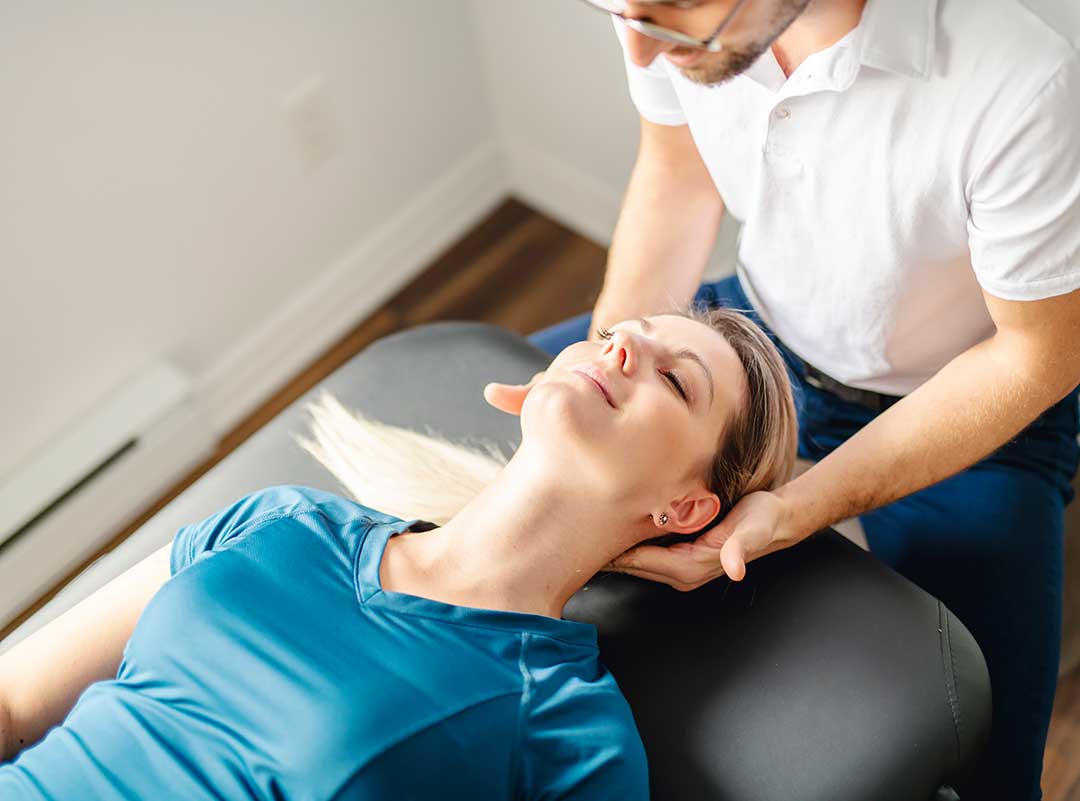
- Gentle stretching first thing in the morning, especially during colder seasons, can help smooth joint movements.
- Maintaining an upright posture—whether at work, while reading, or during hobbies—supports healthy neck movement.
- Using supportive pillows that align the neck naturally, considering the local climate and housing insulation, may reduce stiffness and associated sounds.
For those who enjoy physical activity, warming up properly before yard work, neighborhood walks, or exercise can help keep neck muscles and joints moving fluidly.
Are There Misconceptions About Neck Clicking?
A common misconception is that all neck sounds signify a serious health issue or that moving the neck can “wear it out.” In reality, noise alone—without warning signs such as pain, tingling, weakness, or loss of function—is usually benign.
- Many residents fear that clicking will lead to chronic pain or arthritis, but evidence does not support this link.
- Some believe they should avoid moving their neck when it makes noise; however, gentle, regular movement is actually beneficial for joint health.
People sometimes think that colder weather directly causes more clicking. While cold can make muscles and joints feel tighter, the clicking itself comes from normal joint mechanics more than the temperature.
When Is Professional Help Needed?
Most neck clicking in the community is not dangerous. However, if any of the following are experienced, evaluation by a licensed healthcare provider is recommended:
- Persistent pain or soreness after neck clicking, especially if it limits daily activities
- Numbness, tingling, or weakness in the arms or hands
- Difficulty turning the head or holding it upright
- History of recent trauma, such as slipping on icy sidewalks or involvement in an accident
These signs may indicate an underlying condition that requires attention to prevent further complications.
