
For many residents of Amsterdam, New York, daily life is filled with activity—whether that means working long hours, caring for a family, or enjoying the outdoor recreation provided by the Mohawk Valley’s parks and trails. But with all this activity comes the risk of muscle discomfort and pain, a problem commonly linked to trigger points.
If you or someone you know has ever experienced unexplained aches, stiffness, or radiating pain, understanding trigger points and how they contribute to muscle pain can be the first step toward relief.
What Are Trigger Points?
Trigger points, often referred to as "muscle knots," are sensitive spots within your muscle fibers that can cause pain both directly at the knot and in seemingly unrelated areas of your body. These tight bands often form after repetitive motions, poor posture, or injury—a common occurrence for those with physically demanding jobs or active lifestyles across Montgomery County.
Trigger points are not just a local problem. They can actually refer pain to other areas (called "referred pain"), making it tricky to identify the real cause of discomfort. That shoulder pain you feel after gardening by the Erie Canal? It might actually originate from a trigger point in your upper back.
How Do Trigger Points Develop?
Several factors contribute to the formation of trigger points, including:
- Repetitive Movements: Frequent activities like lifting at work, painting homes, or even cycling along Amsterdam’s scenic bike paths can cause certain muscles to overwork.
- Poor Posture: Sitting for hours at a desk or behind the wheel is common for many in the Capital Region, adding stress to your neck, shoulders, and back.
- Stress: Emotional tension often leads to physical tension, particularly in the shoulders, neck, and jaw—prime areas for trigger points to form.
- Muscle Injuries: Sprains, strains, or even slips on the winter ice can lay the groundwork for these painful nodules.
Common Signs and Symptoms
Trigger point-related pain can manifest in ways that mimic other conditions, making self-diagnosis difficult. Watch for:
- Deep, aching pain in a muscle
- Stiffness or restricted movement (such as difficulty turning your head while driving along Route 30)
- A noticeable “knot” you can feel beneath your skin
- Pain that radiates or is felt somewhere different from the source
- Tingling, numbness, or weakness in a limb
If these symptoms are interfering with your daily activities—walking through Riverlink Park, playing with your kids after school, or participating in local sports—it’s time to consider the role of trigger points.
How Are Trigger Points Diagnosed?
A healthcare provider trained in musculoskeletal assessment, such as a chiropractor, can often identify trigger points through a combination of:
- Detailed medical history
- Palpation, or hands-on examination, to locate tender spots
- Movement assessments to understand how your pain presents in daily activities
In some cases, imaging or additional tests may be used to rule out other conditions, but most trigger points are diagnosed clinically.
Treatment Options for Trigger Points
The great news for Amsterdam, NY residents is that several effective treatments exist for trigger point pain:
Manual Therapy
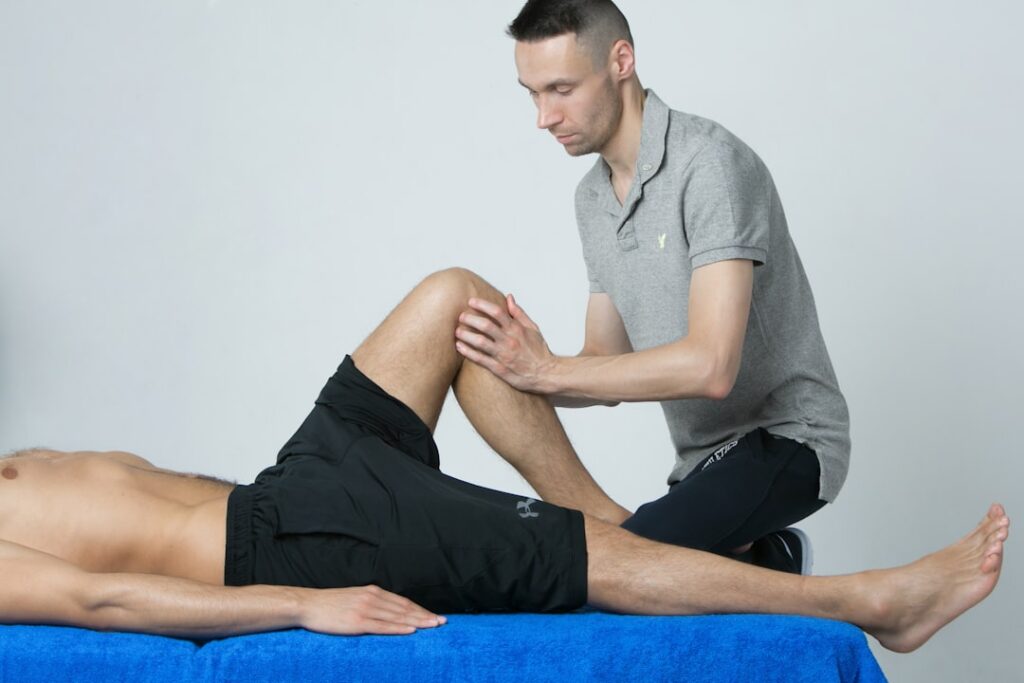
Chiropractors and massage therapists often use hands-on techniques such as:
- Myofascial Release: Gentle, sustained pressure to the affected area encourages the release of tight muscle fibers.
- Trigger Point Therapy: Direct application of pressure to trigger points can sometimes reproduce the referred pain, helping to relax the muscle and alleviate symptoms.

Dry Needling
Some practitioners use thin, sterile needles to target trigger points beneath the skin, which often helps deactivate the knot and restore muscle function. This technique should always be performed by a credentialed professional.
Stretching and Exercise
Customized stretches and exercises—inspired by your daily routine, whether it's shoveling snow, carrying groceries from a local market, or playing softball at Shuttleworth Park—help strengthen weak muscles, improve flexibility, and prevent trigger points from recurring.
Lifestyle Changes
- Take regular breaks at work to move and stretch, especially if you work at one of Amsterdam’s many manufacturing or office-based jobs.
- Focus on posture, both sitting and standing; ergonomic adjustments at home and workstations can make a big difference.
- Manage stress through mindfulness, yoga, or local activities like walking along the Mohawk River.
At-Home Tips for Preventing Trigger Points
If you’re not ready to seek professional help yet, here are a few simple strategies:
- Use a foam roller or a tennis ball to gently massage sore spots.
- Apply heat to tight muscle groups to promote blood flow and relaxation.
- Practice gentle, daily stretching routines focusing on the most commonly affected areas.
- Prioritize hydration and proper nutrition, as these both play important roles in muscle health.
When to See a Professional
If home care isn’t bringing relief or your pain is persistent, worsening, or interfering significantly with your daily life in Amsterdam, it’s crucial to consult a healthcare provider. Persistent muscle pain could be a sign of other underlying health issues requiring specialized care.
Living Well in Amsterdam, NY
Trigger point pain shouldn’t keep you from enjoying everything Amsterdam has to offer, from community events downtown to hiking in nearby nature preserves. Residents here work hard and play hard—and that means it’s critical to treat your body with the same respect you give to your job, home, or favorite sports team.
Recognizing and treating trigger points isn’t just about getting out of pain—it’s about living your fullest, healthiest life, right here in the heart of the Mohawk Valley.
