
Can chiropractic care improve mobility in older adults?
Chiropractic care may support mobility in older adults by addressing joint stiffness, restricted movement, and some types of back or neck discomfort. The purpose is not to reverse normal aging or “realign” every part of the body, but to help a person move more comfortably and safely as part of a broader care plan.
Mobility includes more than walking speed. It also involves turning the head, standing from a chair, getting in and out of bed, reaching overhead, climbing steps, and maintaining balance while completing everyday tasks. When pain or stiffness limits these movements, carefully selected hands-on care and therapeutic exercises may help restore function.
Results vary depending on the cause of limited movement, a person’s general health, bone strength, medications, and activity level.
What does chiropractic treatment involve for seniors?
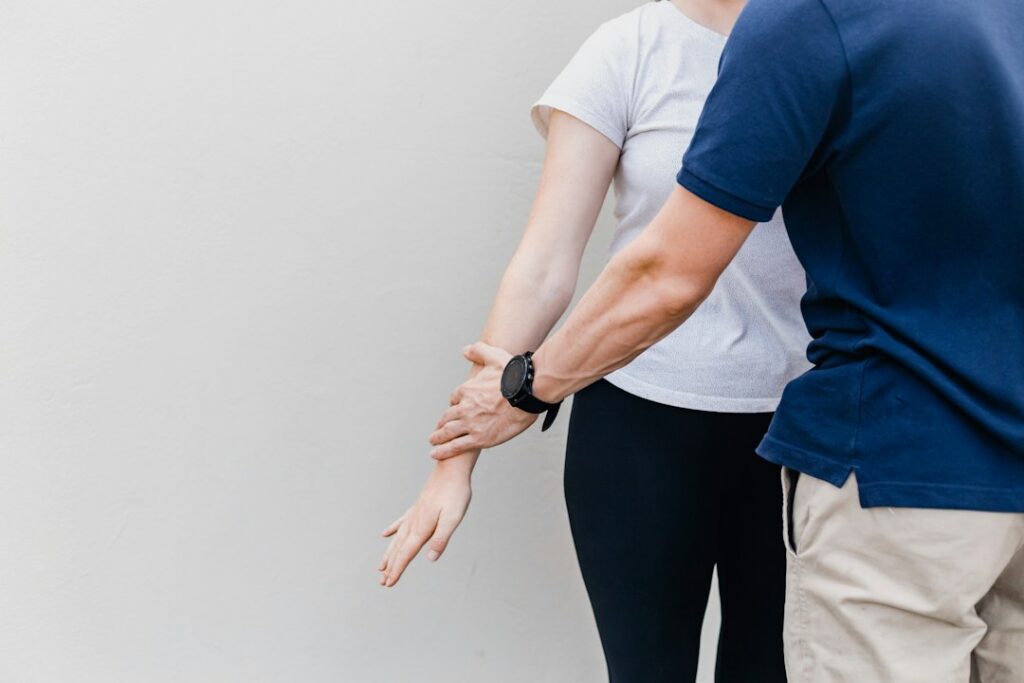
Treatment may include gentle joint mobilization, soft-tissue techniques, stretching, posture education, and exercises designed to improve strength or range of motion. Some older adults may also receive spinal manipulation, but the technique, speed, and force should be adapted to the individual.
A thoughtful evaluation should consider:
- Current symptoms and how they affect daily activities
- Previous surgeries, fractures, or joint replacements
- Osteoporosis or low bone density
- Arthritis and other chronic conditions
- Blood-thinning medications
- History of falls or dizziness
- Numbness, weakness, or changes in walking
- The person’s comfort level with hands-on treatment
Older adults should not assume that a technique used for a younger person is automatically appropriate for them. Age alone does not rule out treatment, but it does make careful screening and individualized planning especially important.
How might chiropractic care affect walking and daily movement?
The most direct benefit may be reduced discomfort during movement. Pain in the lower back, hips, or neck can cause a person to move cautiously, shorten their stride, avoid stairs, or rely heavily on furniture for support. Improving comfort may make normal movement easier and allow an older adult to participate more fully in exercise.
Gentle mobility work may also help maintain movement in joints that have become stiff from arthritis, inactivity, or prolonged sitting. For example, improved trunk and hip movement can make it easier to rise from a chair, turn while walking, or reach for objects without twisting abruptly.
However, hands-on care is not a substitute for strengthening. Muscles that support the hips, legs, abdomen, and back play a major role in walking stability. A mobility plan is usually more useful when it includes gradual strengthening, balance practice, and regular walking within safe limits.
Can chiropractic care help prevent falls?
Chiropractic care by itself should not be described as a complete fall-prevention program. Falls may be related to weak leg muscles, poor vision, medication side effects, inner-ear disorders, numbness in the feet, low blood pressure, unsafe footwear, or hazards inside the home.
Improved comfort and joint movement may support safer motion, but fall prevention requires attention to several factors. Older adults commonly benefit from:
- Leg and hip strengthening exercises
- Balance activities suited to their ability
- Adequate lighting, especially near stairs and bathrooms
- Clear walking paths without loose rugs or cords
- Secure handrails and grab bars where needed
- Medication review when dizziness or drowsiness is present
- Regular vision checks
- Appropriate shoes with stable, non-slip soles

In winter, local residents may also need to account for snow, ice, wet entryways, and reduced daylight. Keeping frequently used paths well lit and arranging assistance for slippery outdoor tasks can reduce unnecessary risk.
What conditions may respond to mobility-focused care?
Some older adults seek chiropractic care for mechanical low-back pain, neck stiffness, muscle tightness, or discomfort associated with osteoarthritis. These problems may respond to a combination of movement education, exercise, and hands-on treatment.
Chiropractic care is not appropriate for every cause of pain or impaired mobility. Severe osteoporosis, recent fractures, infection, cancer-related symptoms, inflammatory disease, significant nerve compression, and certain vascular or neurological conditions require medical assessment. A sudden inability to walk, new loss of bladder or bowel control, rapidly progressing weakness, unexplained weight loss, fever, or severe pain after a fall should be treated as a medical concern rather than routine stiffness.
Pain that travels down an arm or leg, persistent numbness, or new coordination problems also deserve prompt evaluation.
Is spinal manipulation safe for seniors?
Spinal manipulation is generally associated with temporary effects such as soreness, stiffness, or mild discomfort. Serious complications are uncommon, but risk may be greater when a person has fragile bones, certain blood vessel conditions, significant arthritis, recent surgery, or other medical concerns.
Neck techniques deserve particular caution. Older adults should share a complete health history, including osteoporosis, prior fractures, stroke risk, blood-thinning medication, dizziness, and recent falls. Treatment should stop if symptoms worsen or unusual symptoms develop.
A senior with multiple medical conditions may benefit from coordinated care among a primary care clinician, physical therapist, pharmacist, and other appropriate professionals. This is especially relevant after a fall or when mobility has changed quickly.
What exercises support mobility between visits?
Movement is usually most beneficial when practiced regularly and within a person’s abilities. Examples may include repeated sit-to-stand movements from a stable chair, heel raises while holding a counter, gentle marching in place, short walks, and range-of-motion exercises for the shoulders, hips, and ankles.
Balance exercises should be performed near a sturdy support, and anyone with a history of falling should avoid practicing challenging movements alone. Exercise should not produce sharp pain, chest pressure, unusual shortness of breath, faintness, or sudden weakness.
For adults age 65 and older, a balanced activity plan generally includes aerobic movement, muscle strengthening, and balance work. The exact amount should reflect health status and current ability. Someone who has been inactive may begin with brief sessions and increase gradually rather than trying to reach a full activity target immediately.
What should Amsterdam residents consider before beginning care?
Local housing patterns and seasonal conditions can influence mobility. Stairs, older flooring, narrow hallways, uneven outdoor surfaces, and winter conditions may make a small decline in strength or balance more noticeable. Describing specific challenges—such as difficulty carrying laundry, stepping off a porch, or walking across an icy driveway—can help guide a more practical mobility plan.
The most useful question is not simply whether chiropractic care is “good for seniors.” It is whether a specific approach is appropriate for the person’s diagnosis, risks, goals, and current level of function. The aim should be safer participation in daily life, supported by appropriate exercise, medical oversight when needed, and realistic attention to the person’s home environment.
