

What Is Chiropractic Care?
Chiropractic care is a health approach that focuses on diagnosing, treating, and preventing issues related to muscles, joints, and the spine. The core idea is that proper alignment of the body's structure—especially the spine—can support the body’s natural ability to heal itself. Treatments often involve manual adjustments, stretching, and advice on posture or movement, aiming to improve everyday comfort and mobility.
How Can Chiropractic Care Help with Pain Management?
Chiropractic methods are frequently used by local residents to address pain in the back, neck, joints, and even headaches. They are not limited to severe or chronic pain; many in the community use these services for stiffness, aches related to work or weather, and minor injuries common in colder months or after household chores.
Chiropractic adjustments focus on the relationship between the spine and the nervous system:
- A properly aligned spine can reduce muscle tension and irritation of nerves, which often leads to relief from pain.
- Adjustments may also reduce local inflammation and improve joint function, especially important for those managing activities in older homes with stairs or carrying heavy winter gear.
- Many individuals report improved movement, helping them maintain their daily routines, from gardening to shoveling snow.
What Types of Pain Are Commonly Treated?
People often seek chiropractic care for several reasons:
- Back pain from lifting, bending, or extended sitting at work or home
- Neck stiffness, especially after working on computers or handheld devices
- Tension headaches that can stem from neck and upper back tightness
- Shoulder, hip, or knee discomfort, sometimes worsened by walking on icy sidewalks or uneven store parking lots
- Muscle pain from weekend yardwork or outdoor recreation
Chiropractic care can be part of a pain management plan for both newer injuries and ongoing issues related to posture or repetitive activities.
What Happens During a Chiropractic Visit?
Most visits begin with an assessment to understand the person’s health history, areas of discomfort, and any lifestyle habits that might contribute to pain. The visit may include:
- Hands-on evaluation and gentle testing of movement
- Manual spinal adjustments using controlled force to specific joints
- Exercises or stretches tailored to a person’s needs and abilities
- Advice on posture, safe lifting, and strategies for preventing flare-ups, especially relevant for the city’s common winter risks or household activities
No medication or surgery is used as part of chiropractic treatments, which appeals to those interested in non-drug pain options.
Is Chiropractic Care Safe?
For most healthy adults and teens, chiropractic care is generally considered safe when performed by trained professionals. However, it is not suitable for every condition.
- People with osteoporosis, certain spinal diseases, or recent fractures should discuss options with their medical provider
- Those who experience numbness, weakness, or severe symptoms should seek a thorough evaluation before choosing manual adjustments
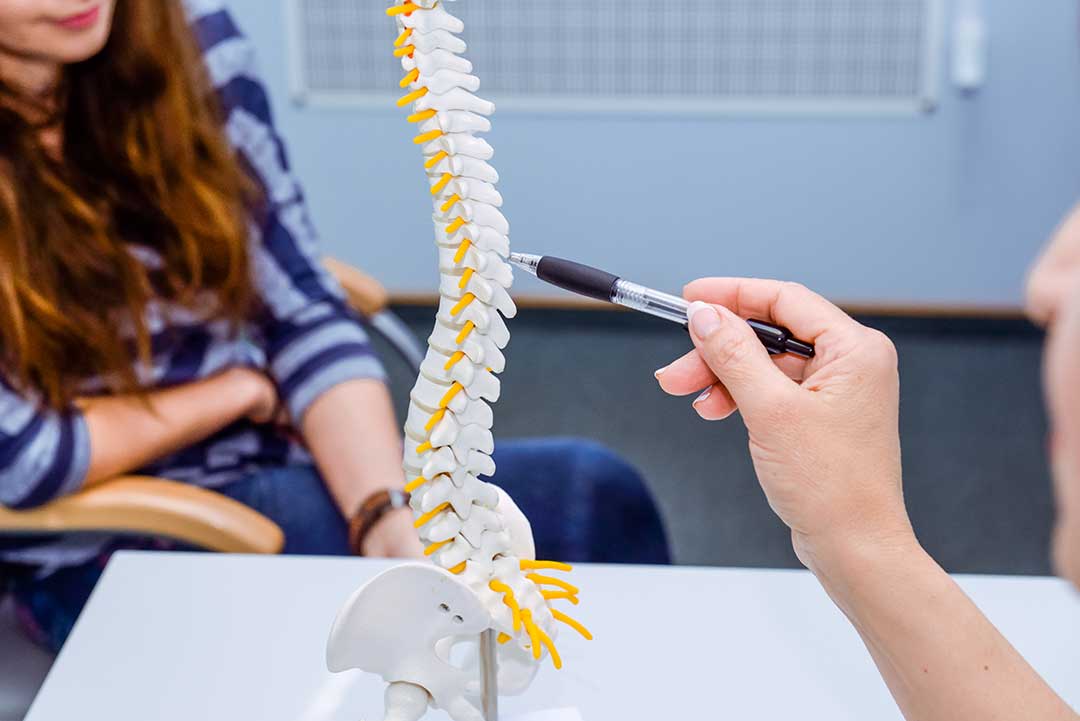
Local residents often combine chiropractic care with other approaches—like physical therapy, exercise, or conventional medical care—under the guidance of their main healthcare team.
What Are Some Common Misconceptions?
There are several misunderstandings about chiropractic care in the community:
- It is not only for back pain; many people find relief for neck, joint, and even tension headache pain
- You do not need to have a severe injury or long-term condition to benefit; many use it for periodic discomfort tied to daily life or the local climate
- Chiropractic adjustments should not "hurt"—though some soreness like after a workout is possible
- It is not a cure-all; lifestyle changes and self-care habits often play a big role in lasting relief
What Should Residents in Amsterdam, NY Consider Before Trying Chiropractic Care?
Area households may experience certain risks and stresses specific to the region:
- Seasonal changes—such as icy walkways, heavy snowfall, or humid summers—can increase the chance of slips, strains, or repetitive motion aches
- Many local homes and workplaces involve stairs, older seating, or long commutes, all of which can contribute to discomfort
- Residents managing chronic pain should maintain regular communication with both their medical and chiropractic providers for coordinated care
Being open with all healthcare providers about symptoms and history helps ensure safe, effective support tailored to the unique routines and climate of the region.
Where Can You Learn More About Musculoskeletal Health?
In addition to professional care, local residents can find valuable information through public health agencies or by attending educational events related to wellness, posture, or safe lifting techniques. Community libraries sometimes offer resources or workshops on healthy movement.
For families or individuals interested in practical tips to manage aches and build good postural habits, exploring trusted sources and city-sponsored wellness programs can be a helpful starting point.
