

What Does Core Strength Have to Do With Your Spine?
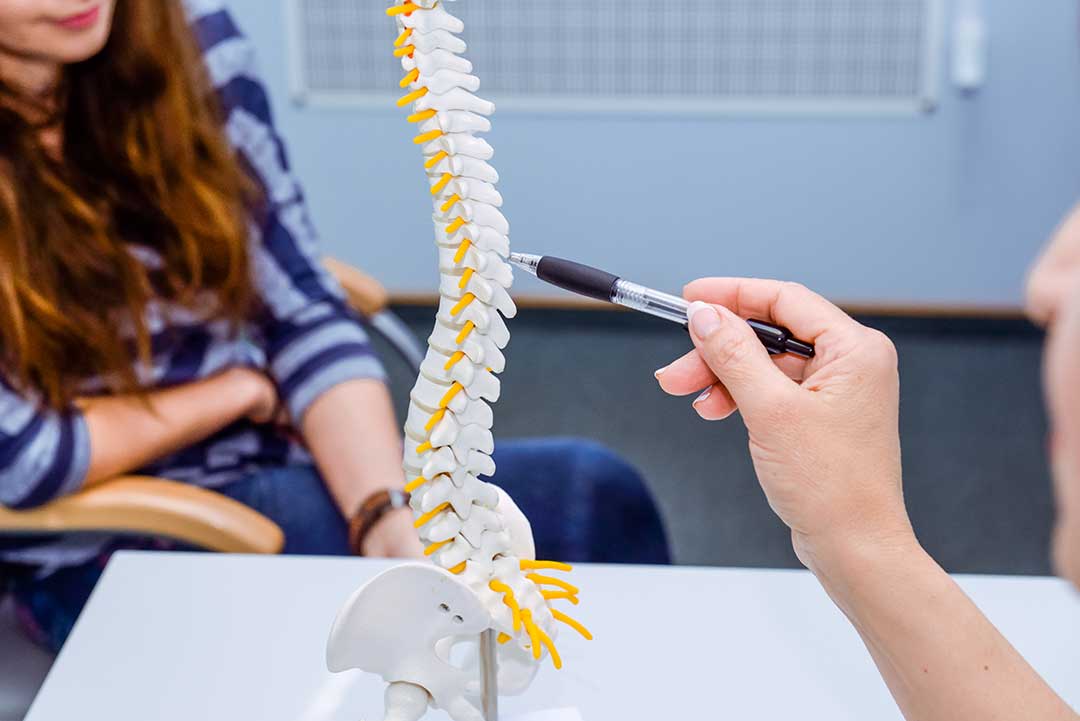
Core strength serves as your spine’s main support system. The muscles that make up your core—including your abdominal, back, pelvic, and even hip muscles—work together to keep your spine stable and your posture aligned. If these muscles are weak, the spine is forced to absorb more strain during everyday activities. For residents in Amsterdam, NY, where winters can bring icy sidewalks and snow shoveling, poor core stability often makes daily routines more taxing and risky for the back.
Which Muscles Are Part of the Core—And Why Are They Overlooked?
The term "core" is sometimes misunderstood as just the visible abdominal muscles. In fact, core strength includes much deeper muscles:
- Transverse abdominis (deep abdominal wall)
- Multifidus (small stabilizing muscles along the spine)
- Pelvic floor muscles
- Diaphragm
- Gluteal muscles
People often focus on surface muscles for appearance, overlooking the smaller stabilizing muscles that play a crucial role in spinal health. These deep core muscles act like a natural back brace, helping distribute pressure and movement safely.
How Can Weak Core Muscles Affect Daily Life in the Community?
A weak core can lead to:
- Slouched or uneven sitting posture (increasing pressure on spinal discs)
- Difficulty lifting groceries, snow shovels, or children safely
- Greater risk of slipping or falling, especially in winter when conditions are icy or uneven
- More fatigue when walking, climbing stairs, or performing household chores
In Amsterdam, where many homes have multiple stories and older sidewalks can be uneven, small imbalances or weak muscles can leave residents vulnerable to injury or chronic discomfort.
Can Building Core Strength Help Prevent Back Pain?
Building core strength often helps reduce the risk of both sudden back injuries and persistent aches. Many common types of lower back pain—including those not caused by bone or disc problems—are made worse by weak core muscles that cannot provide enough support. By keeping the core strong, pressure is better distributed along the spine and pelvis, reducing “wear and tear” and supporting the spine during movements both large and small.
What Activities Are Best for Improving Core Stability?
Residents don’t need expensive equipment or a gym membership to make improvements. Here are accessible and practical core-strengthening options:
- Walking with upright posture (not hunched, with gentle abdominal tension)
- Modified planks performed on elbows and knees
- Bridges lying on your back to activate glutes and lower back
- Seated knee lifts for those with limited mobility or balance
- Tai chi and beginner-friendly yoga routines focusing on slow, controlled movement
Given the city’s long winters, these activities can be adapted indoors. Most can be done in a living room or bedroom, making them practical during colder months.
What Are Common Misconceptions Around Core Exercise?
Many believe that sit-ups or crunches alone will “fix” the core. However:
- Sit-ups by themselves can strain the neck and lower back, and may not train important stabilizing muscles
- Holding breath during exercise can increase abdominal pressure without building useful strength—steady breathing is better
- It's not about doing hundreds of repetitions; controlled, mindful movements are often more effective
- Balance exercises—such as standing on one foot or using a soft surface—recruit the core just as much as classic floor exercises
How Can Everyday Habits in Area Households Affect Spinal Health?
Many local residents spend hours commuting, working at desks, or relaxing on sofas. These habits can weaken the core if movement and posture breaks are neglected throughout the day. Quick tips include:
- Standing and stretching after 30–60 minutes of sitting
- Using a small pillow or rolled towel behind the lower back for support
- Carrying loads (like laundry baskets or grocery bags) close to the body to reduce spine strain
- Engaging the core gently while walking outside, especially on uneven ground
Adjustments like these are easy to integrate into regular routines and can help strengthen the spine’s support system over time.
When Should Someone Consider Talking to a Medical Professional?
For most people, gentle core exercises can be started safely at home. However, if pain is persistent, severe, or radiates to the legs, it’s vital to seek medical guidance to rule out underlying problems. Likewise, sudden loss of strength, numbness, or dramatic changes in balance or movement should be evaluated promptly, regardless of age or lifestyle.
